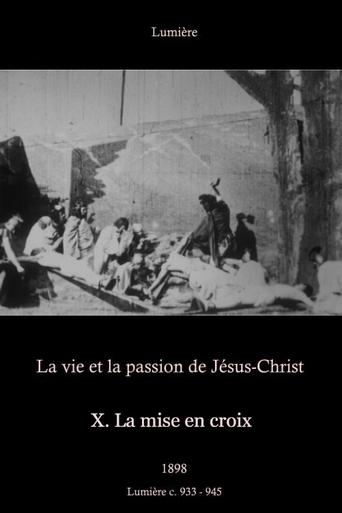
Part 10 of Alexandre Promio's Passion Play, in which Jesus is nailed to the Cross.
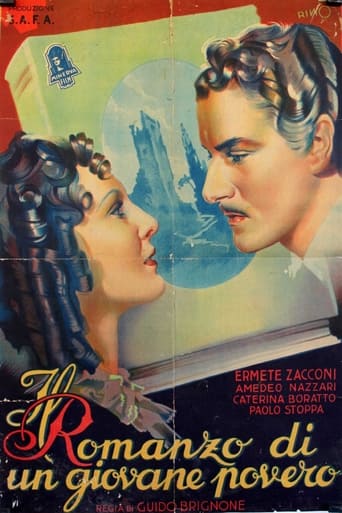
Jan and Maria become a couple in 1930s Kraków. Jan tries to get a job as an architect but fails. They struggle with poverty and extreme humiliation. Their attempt to survive leads to a desperate crime.
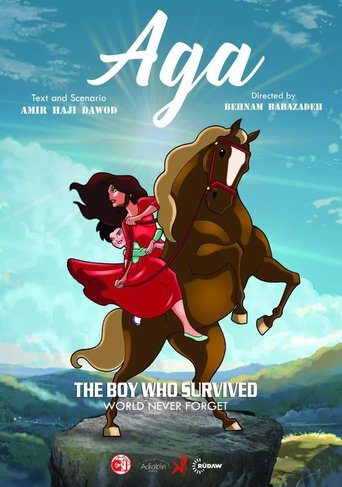
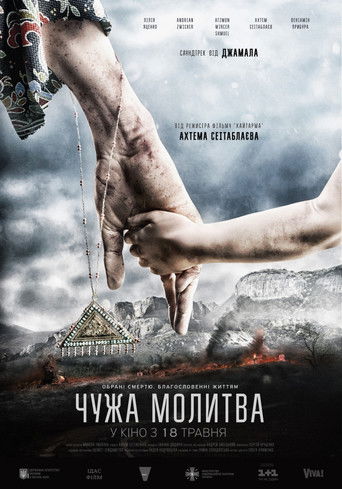
Aga is a story about a Kurdish child who escaped the Ba'ath regime during the Anfal of his family and village. Aga is also a reminder of the suffering that Kurds have suffered at the hands of their enemies.
Captured and subjected to severe torture, Çal Hasan manages to escape from the castle where he is imprisoned after a great struggle. After receiving the sultan's orders and will, Çal Hasan sets out to complete his unfinished mission, find Genç Osman, who is on the border, and raise the Turkish flag in Estergon without becoming a sacrifice.
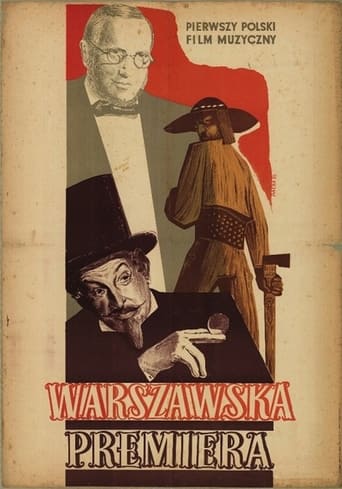
Polish composer Stanisław Moniuszko fights for the right to stage his opera "Halka".
Drama documentary about the assissination of Nikolai Bobrikov, Russian governor general in Grand Duchy of Finland. In 16th June 1904 student Eugen Schauman shot Bobrikov at the staircase of Senate in Helsinki and after that himself.
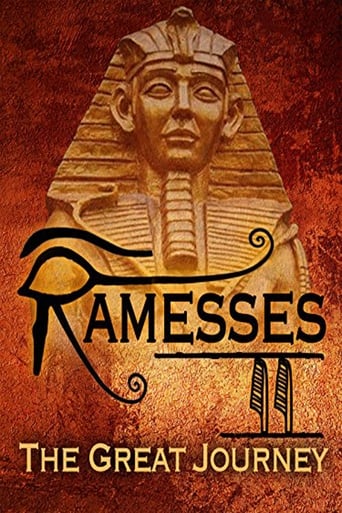
3,200 years ago, Egypt is living the final hours of its golden age under the reign of Ramesses II. After ruling the country for 67 years, the great pharaoh dies at the old age of 92. His mummy is burried in the heart of the Valley of the Kings. This is the beginning of his great journey towards the afterlife but only under one condition: that his tomb remains off limits forever. However, in the 19th century, many European adventurers explore the tomb of the king searching for the burial chamber. Then begins an archeological investigation, which reveals the story of Ramesses II after-life.
Childhood can be said to be the best and most carefree stage of life. Looking back, we have forgotten many fragments of childhood, but never deny her unforgettable warmth. However, for children who are exposed to the flames of war and oppression, their childhood is cold and cruel. Xiaoluotou is a poor child who has lived in prison since the day he was born. His mother is a Communist, so he was brutally persecuted by the Kuomintang reactionaries. He is a prisoner of the Kuomintang, and the beetle on the sand is a toy of a small carrot head. Death and killing locked the child's footsteps, but could not seal his free-spirited imagination. In his mind, schools and prisons are no different, and the teacher’s laughter is unbearable. The prison is a black home filled with murderous children. He is flying freely above the prison...
Nazi-occupied Crimea, 1944. A boy named Itzhak turns to Saide Arifova, a local Tatar Muslim woman, for help, explaining that he and a group of other Jewish orphans are hiding from the Nazis. Arifova faces a moral dilemma: should she try to help them or save herself by refusing? Despite the impending danger, she decides to protect the children by hiding them in plain sight, and disguising them as Tatars and adopting them into the local community.
A 1997 documentary by Micronesian scholar, Vicente M. Diaz, that follows a new generation of traditional outrigger canoe builders and navigators from Polowat, Central Carolines, Federated States of Micronesia, and Guam in their respective efforts to continue and resuscitate an ancient tradition of outrigger canoe carving and sailing in the late twentieth century. Like the motif of water that flows through the documentary and blurs lines between surface and depth, and between water, land and air, an indefatigable tradition and aesthetic of seafaring is shown to also challenge pat and problematic distinctions between past and present, tradition and modernity, indigenous and Christian religiosity and spirituality, that prevail in conventional understandings of Micronesian culture and history.
On June 26, 1813, Austrian Foreign Minister Klemens von Metternich went to meet Napoleon Bonaparte at his headquarters in Dresden, in the Kingdom of Saxony. Although the French emperor still dominated Europe, the disastrous Russian campaign had sapped his military power. Could France continue to count on Austria's support? A nine-hour private meeting would decide the fate of Europe.
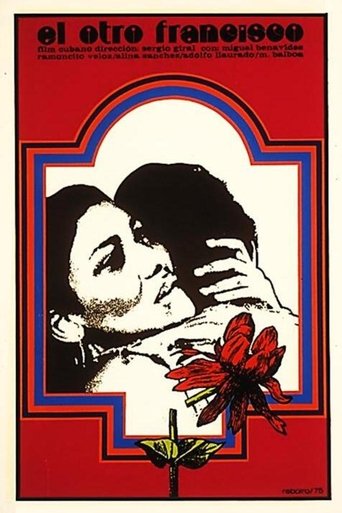
Based on the novel Francisco by Anselmo Suárez y Romero, "The Other Francisco" is a socio-economic analysis of slavery and class struggle through the retelling of the original novel. The film contrasts the romantic conceptions of plantation life found in Suárez Romero's novel with a realistic expose of the actual historical conditions of slavery throughout the Americas. It offers a critical analysis of the novel, showing how the author's social background led to his use of particular dramatic structures to convey his liberal, humanitarian viewpoint.
Unless Marion Norman's intended husband can support her in the same style in which her father has, Mr. Norman will not agree to her marriage with Billy Wallace, and threatens to disinherit her if she disobeys him.
The film takes place in Russia during the World War I. Three Hungarian POWs are on the run from their Russian captives. One of them gets shot down. Lieutenant Balogh and Miska, his servant, are brought before Szergej Dragow. The Russian offers to take them on to serve him. Balogh says yes, only to attempt to escape later.
Activate your FREE Account!
You must create an account to continue watching